Porto travel guide
Everything you need to get your bearings before picking something from the agenda.
History
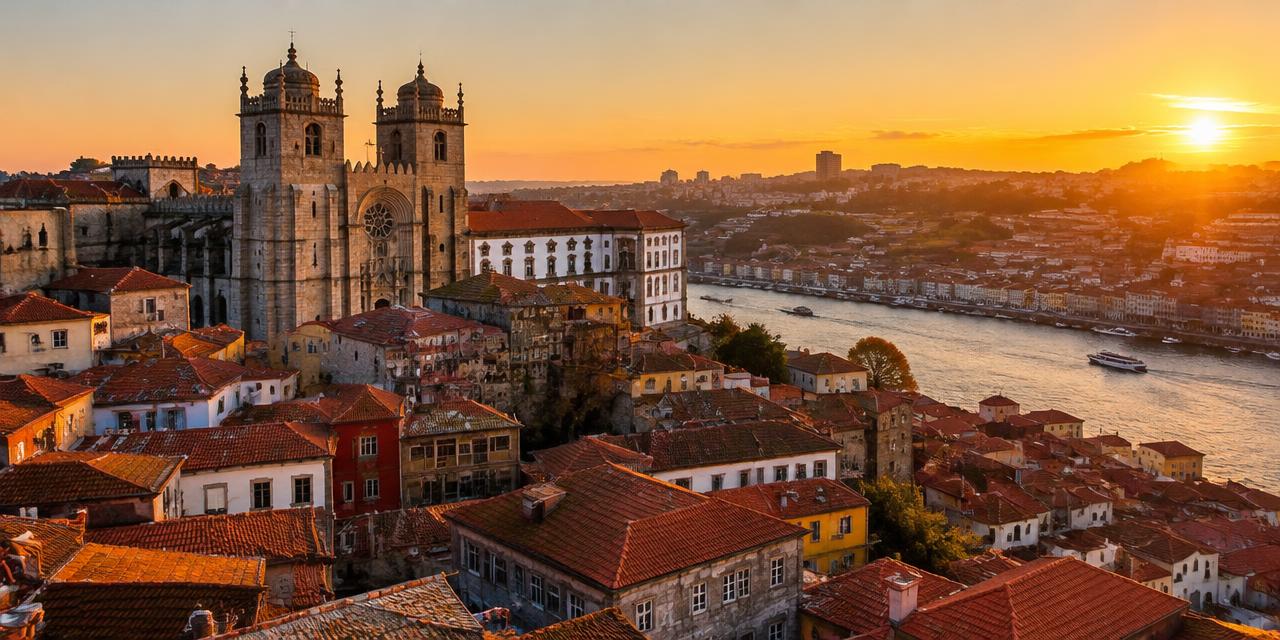
Porto grew around a settlement at the mouth of the Douro that the Romans knew as Portus Cale — the name that later gave the whole country its own. By the Middle Ages the hilltop around the Sé, the fortress-like cathedral, was the core of a busy trading town, and in 1996 the historic centre was listed as a UNESCO World Heritage Site.
The city has always been a merchant city. In the age of discoveries its shipyards supplied the fleets, and locals are still nicknamed 'tripeiros' (tripe-eaters) from the story that they gave their best meat to the ships and kept the offal for themselves — the origin of the dish tripas à moda do Porto.
From the 17th and 18th centuries, trade with England turned the fortified wines of the Douro Valley into 'port'. Barrels came down the river on flat-bottomed rabelo boats and aged in the lodges of Vila Nova de Gaia, where many British-founded houses still operate today.
The 19th century brought iron and industry: the Dom Luís I bridge (1886), designed by a disciple of Gustave Eiffel, and the Maria Pia railway bridge. Porto was also a liberal stronghold, and the Invicta ('undefeated') nickname comes from the siege it survived in 1832–33.
In the 20th century came São Bento station's famous azulejo tile panels, the Avenida dos Aliados, and later the modernist architecture of Álvaro Siza and Eduardo Souto de Moura. Today Porto mixes that layered past with a young, creative scene — which is why there is something on the agenda almost every night.
- Sé do Porto. The Romanesque-Gothic cathedral on the city's oldest hill, with a cloister of blue tiles and wide views over the rooftops.
- Torre dos Clérigos. The 18th-century baroque bell tower that dominates the skyline; climbing its steps is a classic first-day view.
- Palácio da Bolsa. The 19th-century stock-exchange palace in Ribeira, famous for its ornate Arab Room.
- Igreja de São Francisco. A Gothic church whose interior is covered in gilded baroque woodwork.
Neighbourhoods
Porto is compact, but each area has a very different feel. Most visitors spend their time between the river and the downtown hill, yet some of the best evenings happen a little further out.
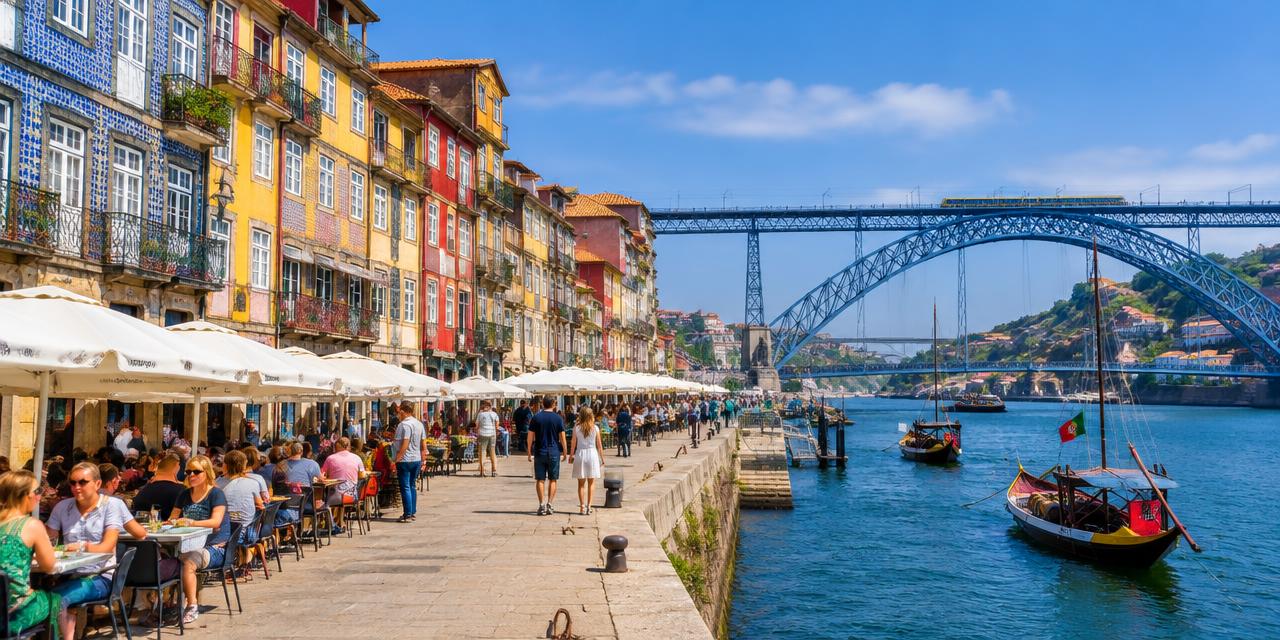
- Ribeira. The riverside heart of the old town: narrow lanes, stacked colourful façades, rabelo boats and restaurants along the Cais da Ribeira. Busy by day, atmospheric at night, and the starting point for river cruises.
- Baixa and Aliados. The downtown core around the Avenida dos Aliados and City Hall. Here you'll find São Bento station, the Bolhão market, Rua de Santa Catarina for shopping, and the tiled Capela das Almas. Many concerts and big public celebrations happen here.
- Galerias and Clérigos. The streets behind the Clérigos tower are the centre of Porto nightlife, with bars spilling into the street late into the evening, plus the Livraria Lello bookshop nearby.
- Cedofeita and Miguel Bombarda. The arts quarter: galleries, design shops, vintage stores and cafés. Gallery openings are often coordinated on the same evening, so watch the agenda for them.
- Bonfim. East of the centre, a residential area that has become a favourite for independent restaurants, small venues and neighbourhood cafés with fewer tourists.
- Boavista. A business district home to the Casa da Música concert hall by Rem Koolhaas and, a short ride away, the Serralves museum and park.
- Foz do Douro. Where the river meets the Atlantic: an elegant seafront promenade, beaches, lighthouses and seafood. Great for a sunset walk or a lazy weekend lunch.
- Matosinhos. Just north of Foz, a fishing town known for its long beach, surf schools and grilled-fish restaurants.
- Vila Nova de Gaia. Technically its own city across the river, home to the port wine lodges, riverside terraces, the Jardim do Morro viewpoint and the Gaia cable car.
Getting around
Porto's centre is walkable, but it is steep, and the cobbles can be slippery when wet. Comfortable shoes are the single best transport investment you can make. For longer hops, public transport is cheap and simple once you have an Andante card.
- From the airport. Metro line E (violet) runs from Francisco Sá Carneiro airport to the city centre in roughly half an hour, with no change needed for Trindade. Taxis and ride-hailing apps are also widely available.
- Andante card. The rechargeable card used on metro, STCP buses and many trains. Fares are priced by zone, and day passes are available. Validate the card every time you board, even when changing lines — inspectors do check.
- Metro. Six lines cross the city, partly above ground, and reach Gaia, Matosinhos and the airport. Line D crosses the upper deck of the Dom Luís I bridge, which is a cheap scenic ride in itself.
- Buses. STCP buses cover the whole city and run late; night buses fill the gap after the metro closes.
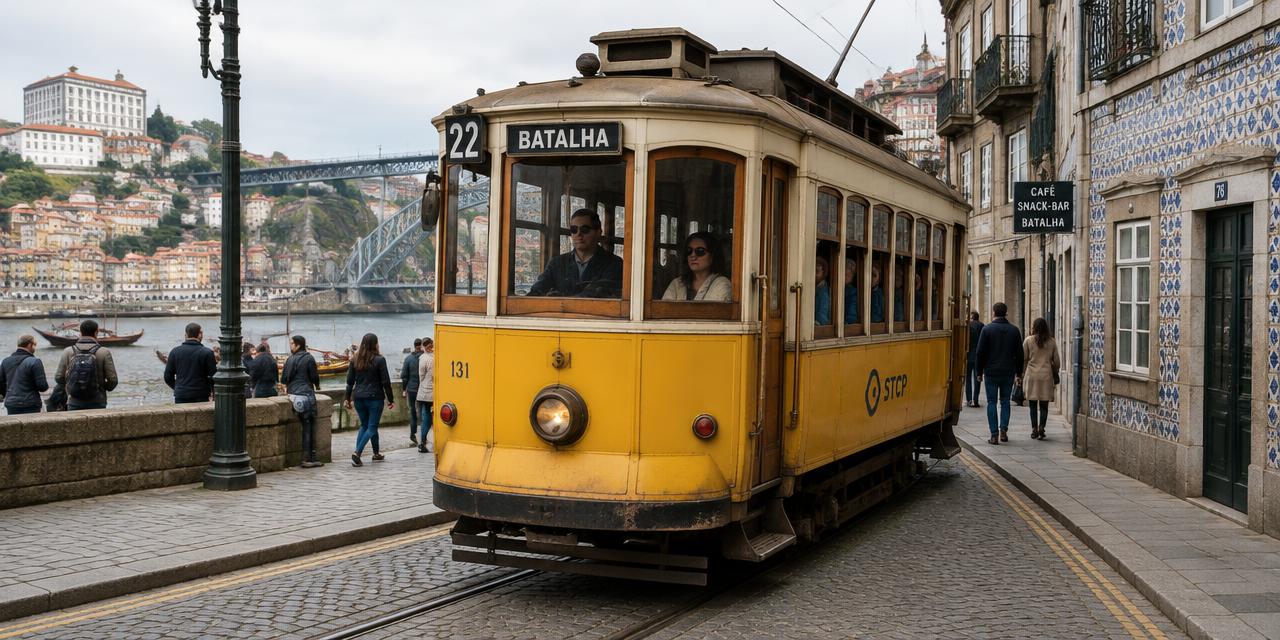
- Historic trams. Lines 1, 18 and 22 use vintage trams. Line 1 follows the river from the centre to Foz — slow, but one of the nicest rides in town.
- Funicular and cable car. The Funicular dos Guindais climbs from Ribeira to Batalha in a couple of minutes, and the Gaia cable car glides above the wine lodges.
- Trains. From São Bento and Campanhã, regional trains reach Braga, Guimarães, Aveiro and the Douro Valley — ideal for day trips.
- Bikes and scooters. Riverside cycling to Foz is flat and pleasant; elsewhere the hills make e-bikes a better choice.
Food and drink
Porto eats generously. Portions are big, lunch is often the main meal, and a neighbourhood tasca will usually serve you better value than the riverfront.
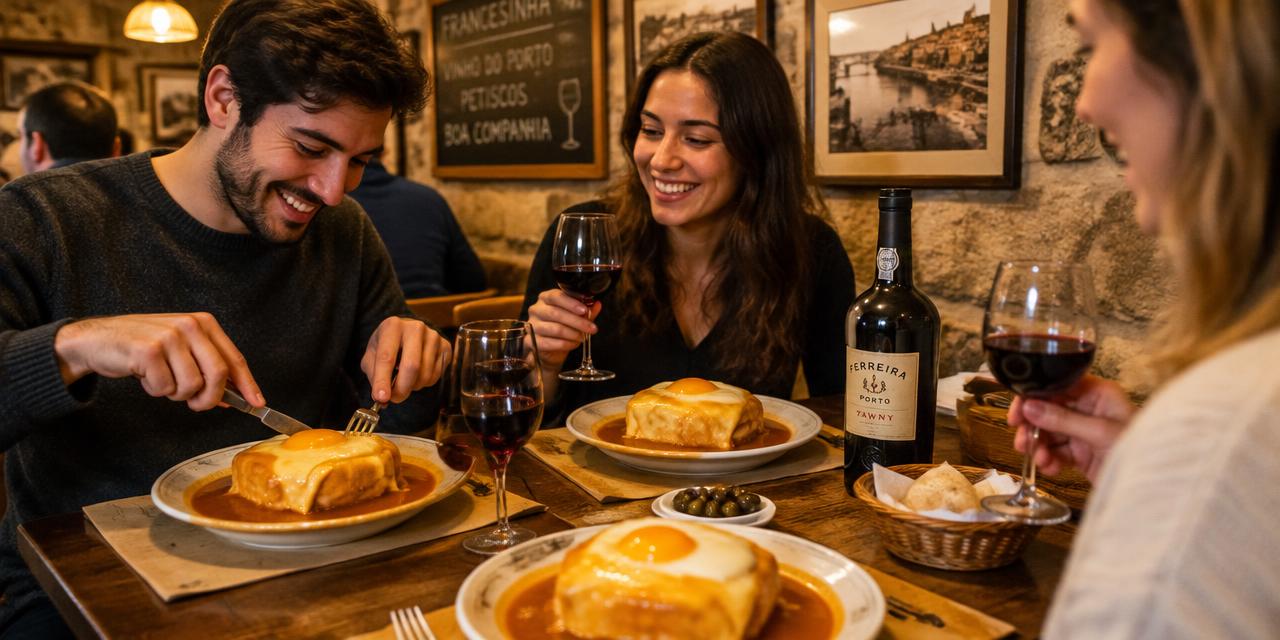
- Francesinha. Porto's famous sandwich: layers of bread, meats and sausage, covered in melted cheese and a spiced beer-and-tomato sauce, often with an egg and fries. Locals argue endlessly about who makes the best one.
- Tripas à moda do Porto. The historic tripe and bean stew behind the 'tripeiros' nickname — hearty and traditional.
- Bifana and cachorrinho. A marinated pork sandwich and a crispy little hot dog — classic quick bites with a cold beer.
- Seafood. Head to Matosinhos or Foz for grilled sardines (especially in June), sea bass, octopus and bacalhau in endless variations.
- Pastries. Try pastel de nata, bola de Berlim at the beach, and the regional pastry shops downtown for a mid-afternoon coffee break.
- Port wine. Visit a lodge in Gaia for a tour and tasting: white and tawny ports are lighter, ruby and vintage richer. A 'porto tónico' (white port and tonic) is the local summer drink.
- Vinho verde and Douro wines. Northern Portugal also makes fresh, slightly sparkling vinho verde and excellent Douro reds — ask for a glass of the house wine.
- Markets. The renovated Mercado do Bolhão sells produce, cheese, fish and flowers, and has small food stalls for a casual lunch.
Local tips
A few habits will make your visit smoother and help you feel at home in the city.
- Eat at local times. Lunch runs roughly 12:30–15:00 and dinner from about 20:00. On weekdays many restaurants offer a set 'prato do dia' (dish of the day) that is great value.
- Couvert. Bread, olives or butter put on the table are usually charged. If you don't want them, just say so politely and they'll be taken away.
- Coffee. Ask for 'um café' to get an espresso — in Porto it is also called 'um cimbalino'. A 'galão' is a milky coffee in a glass.
- Pack a layer. Atlantic weather changes quickly. Even on summer days a breeze or sea fog can roll in by evening, and winters are rainy.
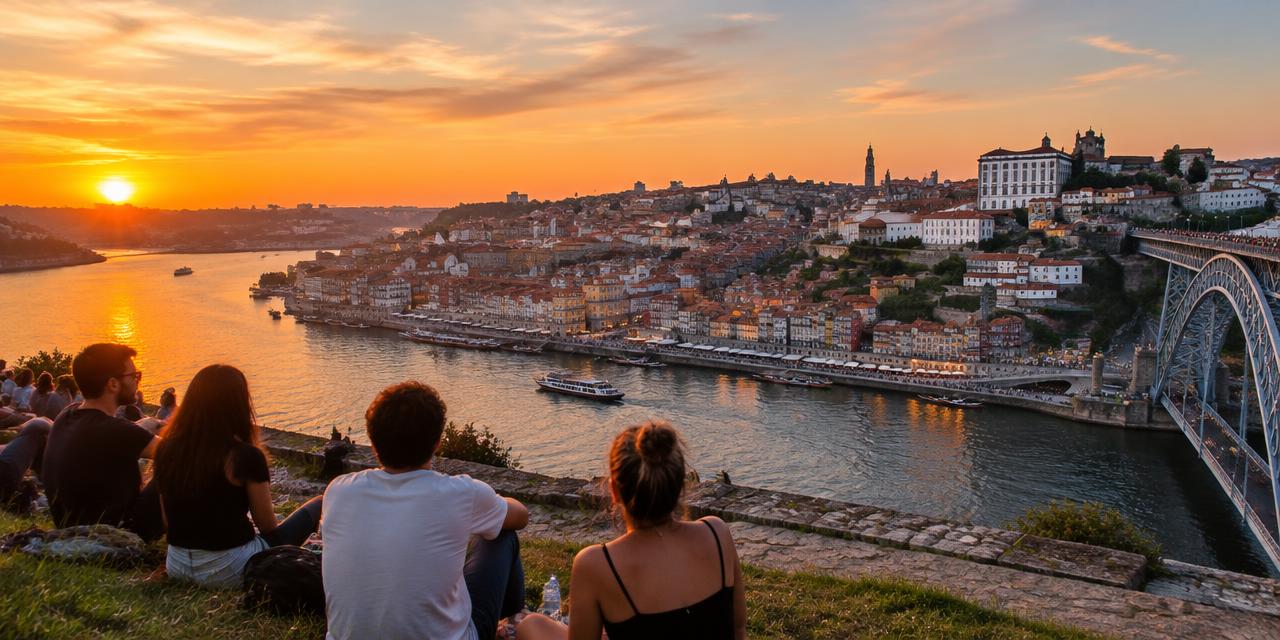
- Best sunsets. Jardim do Morro in Gaia, the Miradouro da Vitória, the Passeio das Virtudes gardens and the seafront at Foz are local favourites.
- São João. On the night of 23 June the whole city celebrates its patron saint with street parties, grilled sardines, plastic hammers, basil pots and fireworks over the river. Book accommodation early.
- Museums for less. Many museums are cheaper or free at certain times, and the Serralves park is a calm escape on a sunny afternoon.
- Language. English is widely spoken, but a simple 'bom dia' (good morning), 'obrigado/obrigada' (thank you) and 'por favor' go a long way.
- Check the agenda daily. Agenda Norte updates every morning with today's, tomorrow's and this weekend's concerts, markets, exhibitions, walks and festivals — so you can plan around what's actually happening.
Day trips
Northern Portugal is easy to explore from Porto by train, bus or car. Each of these makes a full, rewarding day.
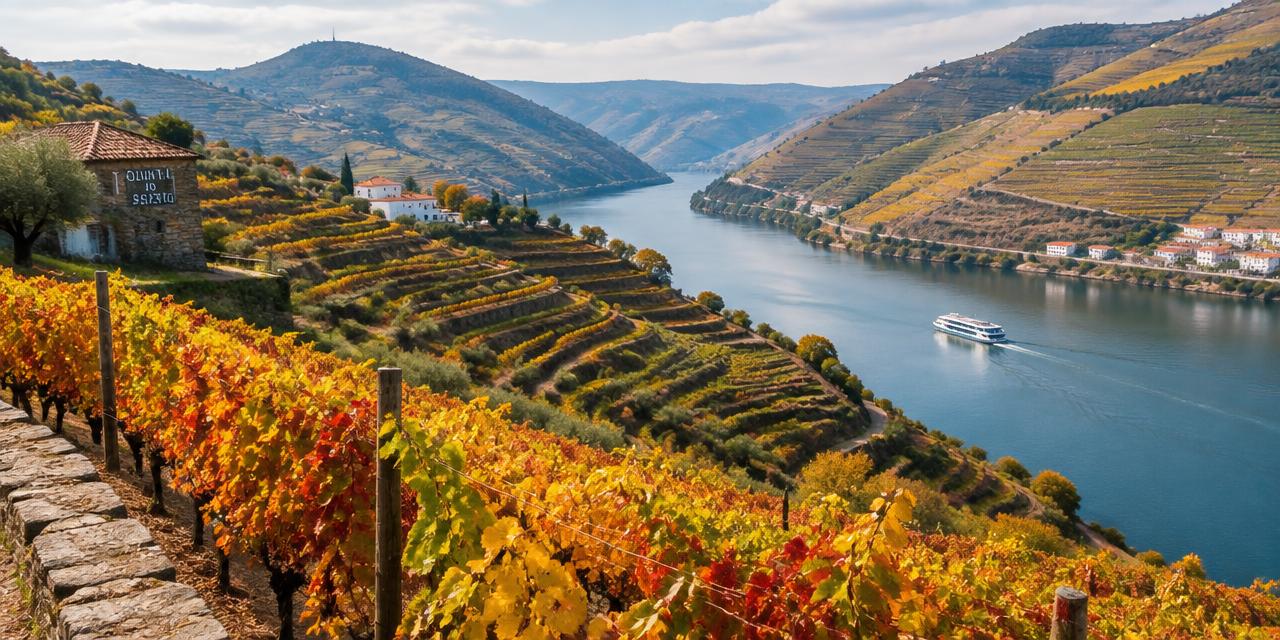
- Douro Valley. Terraced vineyards, wine estates (quintas) and river views. Take the train along the river to Peso da Régua or Pinhão, or join a boat or wine tour. Autumn harvest season is especially beautiful.
- Braga. One of Portugal's oldest cities, full of churches, with the hilltop sanctuary of Bom Jesus do Monte and its famous baroque staircase.
- Guimarães. Called the birthplace of Portugal, with a castle, a ducal palace and a beautifully preserved medieval centre.
- Aveiro. Canals, colourful moliceiro boats, sweet ovos moles, and the striped beach houses of nearby Costa Nova.
- Peneda-Gerês National Park. Portugal's only national park: granite mountains, waterfalls, hiking trails and traditional villages. Best with a car or an organised tour.
- Coast north of Porto. Beaches and boardwalks from Matosinhos to Vila do Conde and Póvoa de Varzim, reachable by metro.